
Sub-Total: $0.00

Equine Supplement for Performance Horses: The Science Behind Sustainable Recovery
Equine Supplement for Performance Horses: The Science Behind Sustainable Recovery
As horse people, we’re always striving for that extra edge, aren’t we? Whether it’s shaving a few tenths off the clock, covering more miles on the trail, or simply ensuring our equine partners feel their absolute best day in and day out, the quest for optimal health and performance is constant. This dedication is etched into the very fabric of our lives with horses. We spend countless hours grooming, training, observing, and fretting over every nuance of their well-being. But in a market overflowing with promises and proprietary blends, how do you really know what your horse needs to truly thrive? It can feel like navigating a minefield of marketing jargon, where every product claims to be the “best” or “most effective.” That’s why I get so excited when new science comes out that truly clarifies the path forward, cutting through the noise and offering actionable insights. Today, I want to dive deep into some recent research that underscores exactly why a comprehensive equine supplement for performance horses isn’t just a luxury, but a necessity for sustainable success. We’re going to talk about real recovery, connective tissue support, gut resilience, and why quality truly trumps quantity when it comes to nutrition. Let’s dig in and explore what makes an effective equine supplement for performance horses.
Recovery & Oxidative Stress: Why Your Equine Supplement for Performance Horses Matters
When we think about hard work, our minds often jump to those intense, all-out efforts – the final sprint, the jump-off, the last barrel. We picture the horse blowing, muscles burning, perhaps a bit of sweat lathering. This immediate, visible exertion is what most people associate with strenuous activity. But what if I told you that it’s not always the highest intensity work that taxes your horse’s system the most? New research is really shifting our understanding of exercise-induced inflammation, and it has profound implications for how we support our horses’ recovery, suggesting that the silent, cumulative stress can be just as, if not more, damaging. This is a crucial consideration when choosing an equine supplement for performance horses.
A fascinating study published recently in Animals (MDPI) out of the University of Camerino looked at Thoroughbred racehorses after two very different types of exertion: a short, high-intensity 2,400-meter flat race and a prolonged, low-intensity 40-kilometer endurance race. What they found might surprise you, and it certainly opened my eyes: the endurance exercise – that longer, slower, sustained effort – actually triggered a more pronounced and longer-lasting systemic inflammatory response than the short, hard gallop [2]. Think about that for a second. This isn’t just a minor difference; it’s a fundamental reorientation of how we perceive the physiological demands of various equine disciplines. It means that the cumulative physiological stress isn’t just about how fast or hard your horse goes, but also how long they go for, and how frequently. Serum Amyloid A (SAA), a key inflammatory biomarker, proved to be a really sensitive indicator of this cumulative stress, showing that exercise duration, not just intensity, significantly influences the magnitude and persistence of that late-phase inflammatory response. This isn’t just academic; it’s a huge insight for us as horse owners and riders, forcing us to reconsider our daily management and supplementation strategies. It tells us that the horse that hacks out for hours, the one doing multiple rounds in the show ring over a weekend, or the barrel horse doing multiple runs and hauling for days, is accumulating a significant inflammatory burden. This research strongly supports the need for a robust equine supplement for performance horses that addresses chronic, low-grade inflammation.
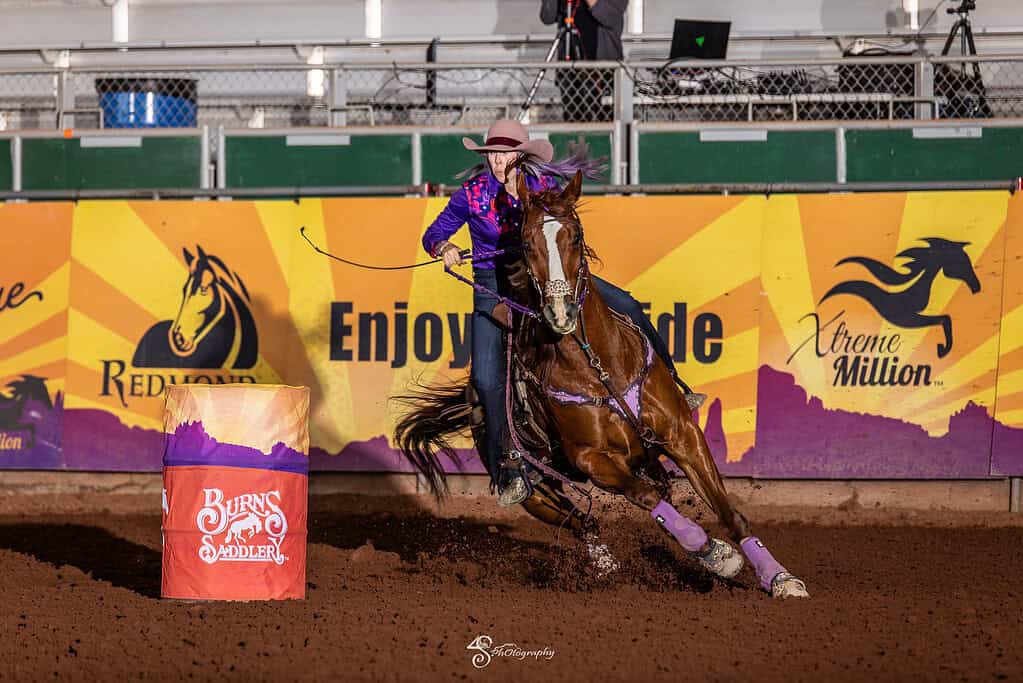
This finding resonates deeply with me, especially thinking about my barrel horses and the demands we place on them. A barrel race itself is a short, intense burst of speed and agility. But the lifestyle of a barrel horse is anything but short and intense. We travel for hours, sometimes days, to competitions. We might compete over multiple days, doing exhibition runs, futurities, and open classes. Each of those runs, even if not a “personal best,” contributes to the overall workload. Then there’s the warm-up, the cool-down, the standing around in the trailer, the new environments, the altered routines – all of which contribute to physiological stress. Even trail horses covering long distances, or horses in multi-day clinics, are experiencing this kind of sustained exertion. It’s not just the one explosive moment; it’s the sum of all the moments, the travel, the environmental changes, the mental stress, all compounding the physical demands. This study makes it clear that we can’t just react to obvious lameness or stiffness; we need a proactive, daily strategy for recovery that accounts for the constant, low-grade inflammatory stress that accumulates. When duration itself is driving inflammation, you need a daily system that’s working quietly in the background, constantly supporting your horse, not a reactive supplement you grab only when things seem to be going sideways. This is where a targeted performance horse recovery strategy becomes non-negotiable, a cornerstone of their daily care rather than an occasional add-on. Finding the right equine supplement for performance horses to support this is vital.
A critical component of this recovery puzzle is antioxidant support, and Vitamin E is the superstar here, playing a pivotal role in protecting cells from oxidative damage caused by free radicals generated during exercise and inflammation. Another detailed piece I read this week hammered home just how often our performance horses are undersupplemented in this vital nutrient [5]. It turns out, horses on fresh pasture have plasma vitamin E concentrations that are a whopping 63% higher than those eating hay or dried feeds. That’s a massive difference, and it opens up a huge nutritional gap the moment our horses move off lush grass and onto a hay-based diet, which is most of the year for many of us, especially performance horses kept in stalls or dry lots. For horses in regular work, research suggests they need 3–5 mg of vitamin E per kilogram of bodyweight per day to maintain adequate serum concentrations during training. For a 500 kg horse, that translates to a significant 3,000–5,000 IU daily. The NRC minimums are truly just that – minimums to prevent outright deficiency symptoms like neurological issues or muscle degeneration, not optimal levels to support peak performance and robust recovery from the kind of inflammation we just discussed. Relying solely on NRC minimums for a performance horse is like fueling a race car with regular unleaded – it might run, but it won’t perform optimally or last as long. This underscores the need for a high-quality equine supplement for performance horses that provides adequate Vitamin E.
But it’s not just about the dose; the form of vitamin E for horses matters immensely, and this is where many supplements fall short. Natural d-alpha-tocopherol is roughly twice as bioavailable as its synthetic counterpart, dl-alpha-tocopherol. This means your horse can absorb and utilize it much more effectively. And then there are advanced forms, like nano-encapsulated natural vitamin E, which can outperform both significantly by improving absorption across the gut wall and delivery to target tissues. Giving your horse the “right” dose of the wrong form is like filling your gas tank with water – it looks like you’re doing the right thing, you’re putting something in, but you’re not getting the performance or benefit you need. This is a perfect example of why label transparency, understanding the science behind ingredient selection, and prioritizing bioavailability is so vital in any equine supplement for performance horses. It’s not enough to just see “Vitamin E” on the label; you need to know the kind and the amount to ensure you’re truly supporting your horse’s recovery and cellular health. This is why NutriSana EQ prioritizes highly bioavailable forms of Vitamin E, ensuring that what you feed your horse actually gets utilized where it’s needed most to combat oxidative stress and support robust recovery.
Collagen, Tendons & Connective Tissue: The Long Game of Healing for Your Equine Supplement for Performance Horses
Anyone who has dealt with a soft tissue injury in a horse knows the frustration and patience it demands. The initial diagnosis is often devastating, followed by weeks or months of stall rest, hand walking, and carefully controlled exercise. It feels like an eternity, and often, even when the horse looks “sound” and is cleared for work, you’re still walking on eggshells, worried about re-injury. The science backs up that gut feeling, and a recent breakdown of equine tendon healing biology reinforced just how complex and drawn-out this process is, highlighting that “sound” doesn’t always mean “fully healed” [3]. This long-term healing perspective is essential for any equine supplement for performance horses.
Tendon healing isn’t a single event; it’s a three-act play, each with its own characteristics and nutritional demands. First, there’s the inflammation phase, which lasts about 1 to 14 days. This is the body’s immediate response to injury, characterized by swelling, pain, and the recruitment of immune cells to clear debris and initiate the repair process. While seemingly destructive, this phase is crucial for laying the groundwork for healing. Then comes the proliferation phase, spanning roughly weeks 2 to 8. During this time, the body starts laying down new tissue, forming a repair matrix. But here’s the kicker: it’s primarily Type III collagen, which is mechanically inferior – weaker, less organized, and less elastic – than the original Type I collagen that makes up healthy tendons. This is why horses can look better, move more freely, and even seem “sound” during this phase, but are still incredibly vulnerable to re-injury if returned to work too quickly. The tissue is present, but its structural integrity is compromised.
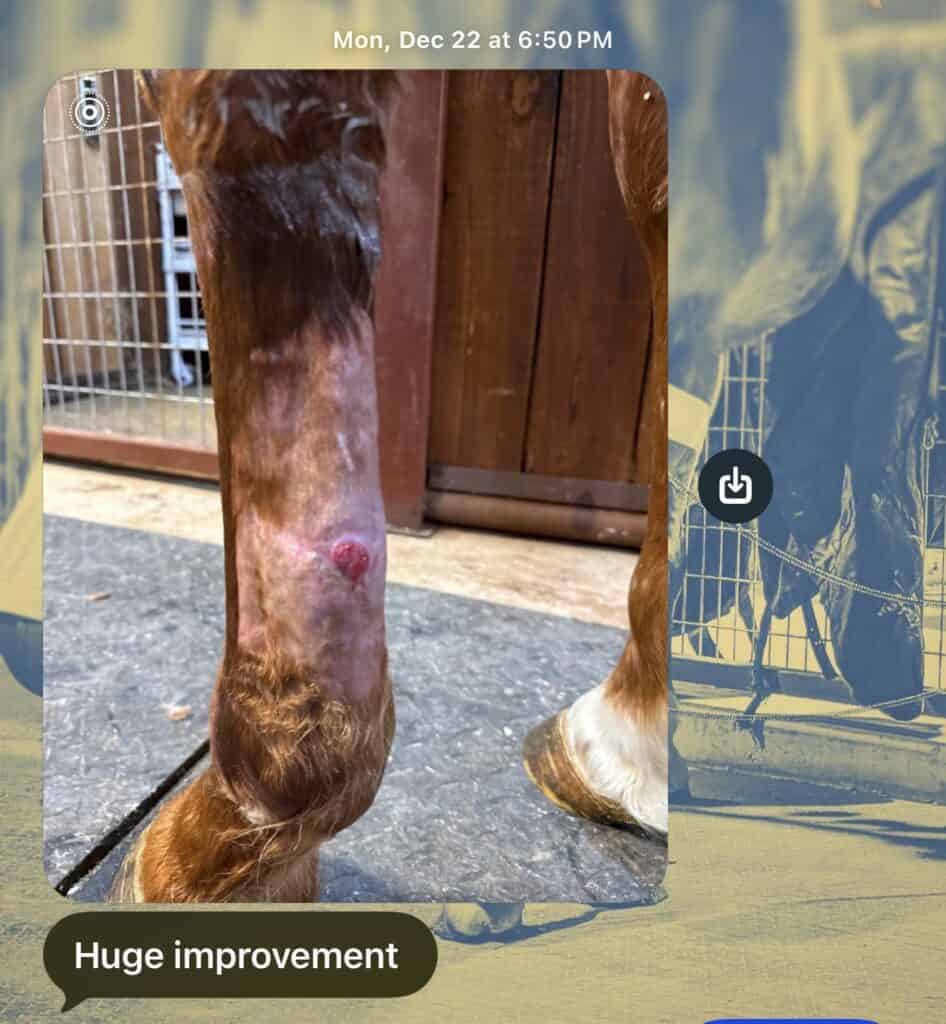
Finally, and most critically for our conversation about long-term soundness, is the remodeling phase. This phase can last anywhere from 2 months to over a year, or even longer in severe cases! During remodeling, the Type III collagen slowly gets replaced by the stronger, more organized Type I, and the fibers mature, cross-link, and reorganize to regain strength, elasticity, and proper alignment. This is the slow, painstaking work that truly restores the tendon’s function. What’s fascinating is that this remodeling is directly influenced by controlled mechanical loading (i.e., your carefully structured rehab program, gradually increasing load and movement) and the horse’s internal biological environment, which is heavily influenced by nutrition. This means that nutritional support for connective tissue biology isn’t a replacement for good rehab; it’s an essential partner, working with the body over the many months required for true healing and the prevention of future injuries. This holistic approach to equine joint health and overall connective tissue integrity is paramount, emphasizing that healing is an active, metabolically demanding process. A good equine supplement for performance horses will provide consistent support for this.
This understanding is precisely why supporting collagen precursors and providing the right building blocks is so important, not just during an injury, but as a preventative measure for horses in work. Our horses are constantly putting stress on their tendons, ligaments, and cartilage through training, competition, and even daily movement. Providing the raw materials for repair and maintenance is a daily requirement, not just an emergency intervention. Think of it like maintaining a high-performance vehicle; you don’t wait for a major breakdown to change the oil. You provide consistent, high-quality inputs to prevent wear and tear. This is where a high-quality equine collagen supplement can play a significant role, offering the amino acids and cofactors necessary for the body to synthesize and maintain these critical structures. Such a supplement is an indispensable equine supplement for performance horses.
Speaking of cartilage, osteoarthritis is a major performance-limiting condition in horses, leading to pain, stiffness, and ultimately, career-ending lameness. Anything that can help protect chondrocytes (cartilage cells) and the extracellular matrix they produce is worth investigating. Resveratrol, a stilbene polyphenol found in grapes and other plants, has shown promise in laboratory settings for its chondroprotective properties, anti-inflammatory effects, and antioxidant activity. However, a new pharmacokinetics study out of Mississippi State University, in collaboration with Nutramax Laboratories, brought a useful dose of reality to the conversation [1]. This first-of-its-kind study in horses examined the bioavailability of resveratrol after oral administration, comparing a phospholipid-encapsulated form with a standard extract. While both forms were detectable in plasma, neither achieved what the researchers called “profound” concentrations, and surprisingly, the phospholipid encapsulation didn’t significantly improve bioavailability. This is a critical reminder that a promising ingredient on paper doesn’t always translate to effective delivery in the horse’s bloodstream, where it needs to be to exert its effects. It highlights the vast difference between an impressive ingredient list and actual efficacy, and why we need to continue to demand science-backed formulations in our supplements, with a focus on bioavailability and absorption, not just raw quantity. Many ingredients sound great, but if the horse can’t absorb and utilize them, they’re simply expensive manure. This is why choosing an equine supplement for performance horses requires careful consideration of ingredient bioavailability.
This whole picture of connective tissue healing and maintenance is the very essence of why a product like NutriSana EQ Rebound exists. It’s not about a “miracle scoop” for a quick fix that magically makes an injury disappear. It’s about working with the horse’s biology, providing targeted support and the necessary building blocks – specific amino acids, collagen precursors, and cofactors like Vitamin C – to support a process that takes months, even years, to complete. It’s about building a foundation for long-term soundness, enhancing the quality of the repair tissue, and accelerating the remodeling process, rather than just patching things up. It’s about understanding that the body needs consistent, high-quality raw materials to perform its incredible feats of repair and regeneration. This makes NutriSana EQ Rebound an excellent equine supplement for performance horses during recovery.
Gut Health & the Hindgut Microbiome: The Foundation of Every Equine Supplement for Performance Horses
If there’s one area of equine health that consistently blows my mind with its complexity and importance, it’s the gut. The equine hindgut is a marvel of nature – a precision ecosystem teeming with trillions of microbes that, when disrupted, can throw the entire horse out of whack, affecting everything from energy levels and immune function to temperament and soundness. Two pieces of research I encountered this week hammered home this fundamental truth, reminding us why a forage-first philosophy and a solid horse gut health supplement are absolutely non-negotiable for any horse owner, especially those with performance horses. This is a critical aspect when selecting an equine supplement for performance horses.
First up, a peer-reviewed study summarized by AskAnimalWeb explored the consequences of starch overload in horses, and the findings are quite stark and frankly, a bit terrifying [4]. When horses received too much starch, their hindgut microbiota went haywire. There was a significant reduction in bacterial diversity, meaning the ecosystem became less robust and resilient, and a dramatic shift away from beneficial fiber-digesting bacteria (which produce vital volatile fatty acids, the horse’s primary energy source) towards starch-digesting bacteria. This shift leads to an overproduction of lactic acid, dropping the pH of the hindgut, creating an acidic environment that kills off beneficial bacteria and leads to endotoxin release. Clinically, this translated to a cascade of negative effects: increased heart rate, soft feces, dehydration, reduced appetite, abdominal discomfort (colic signs), and even lameness consistent with Obel grades 2–4 – the range associated with laminitis, a devastating and often career-ending condition. What was perhaps most striking was that attempts to buffer the cecum (alkalinization) did not prevent the microbiota disruption and, in some cases, seemed to worsen the dysbiosis. This crucial detail tells us that simply adding a buffer after the damage is done is like trying to put out a forest fire with a teacup. The takeaway is crystal clear: prevention through careful feeding practices, prioritizing forage and minimizing starch, is the only truly effective strategy. You cannot, I repeat, cannot buffer your way out of a starch problem after the fact. Once that delicate balance is thrown off, the consequences are severe and multifaceted, impacting every system in the horse’s body. This is a powerful reminder that the gut is truly the “second brain” and the foundation of overall health, making gut support paramount in any equine supplement for performance horses.
Then, let’s talk about spring grass. Ah, spring! The promise of lush pastures is usually met with excitement, a sign of warmer weather and easier keeping. But it also brings its own set of challenges for the hindgut. Moving a horse too quickly from a hay-heavy winter diet to rich spring pasture creates the same kind of hindgut disruption as a starch overload, albeit with different specific carbohydrates [6]. Why? Because spring grass is packed with non-structural carbohydrates, especially fructans, which ferment rapidly in the hindgut when introduced too quickly. Like starch, these fructans can lead to a rapid drop in hindgut pH, causing dysbiosis, gas colic, and even laminitis. The microbial community in the hindgut – the very microbes our horses depend on for fiber fermentation, energy production, and even immune function – needs time to adapt to these new substrates. A sudden change is a shock to their system, akin to suddenly switching a human’s diet from lean proteins and vegetables to pure sugar. Practical tip, and one I adhere to religiously with my own horses: fructan concentrations in pasture are lowest in the early morning and highest after a sunny day followed by a cold night. Gradual introduction, starting with as little as 20 minutes of turnout and slowly increasing by 10-15 minutes every few days over several weeks, gives that precious hindgut microbiome horses rely on the time it needs to adapt without triggering dysbiosis. This is why managing turnout during spring is just as important as managing their feed tubs, and often requires more vigilance. A thoughtful equine supplement for performance horses will support gut adaptation during these transitions.
Both of these findings are a resounding endorsement for the forage-first philosophy that is the bedrock of NutriSana EQ. The foundation of equine health is always, always forage, managed thoughtfully and consistently. Supplements are there to support and enhance that system; they are not a magic bullet to rescue a system that’s been set up for failure by poor dietary management. Gut resilience is built over time through consistent, thoughtful feeding practices and targeted support – not fixed after the fact with a quick-response buffer. This highlights the importance of a comprehensive horse gut health supplement that works proactively, providing prebiotics, probiotics, and gut-soothing ingredients to maintain microbial balance and gut wall integrity, rather than reactively trying to mitigate damage. For me, this means ensuring my horses always have access to quality hay, even when on pasture, and supplementing with a product like NutriSana EQ Core or Origin that actively supports a healthy hindgut environment every single day. This is a key component of any effective equine supplement for performance horses.
Amino Acids & Protein Quality: The Building Blocks That Matter for an Equine Supplement for Performance Horses
When we talk about protein in equine nutrition, the conversation often gets oversimplified to “does my horse need more protein?” This is a common misconception, leading owners to simply add more protein, often without understanding the underlying issue. But that’s usually the wrong question. The real question is always about protein quality, not just quantity. Our horses, especially those on hay-based diets, are often missing critical building blocks – specific amino acids that are essential for countless physiological processes [Additional Context]. This is where a well-chosen equine supplement for performance horses shines.
Hay-based diets, which are the appropriate cornerstone for most horses and should make up the majority of their caloric intake, are consistently deficient in the three most limiting amino acids: lysine, methionine, and threonine. These aren’t some obscure micronutrients; they are absolutely essential, meaning the horse’s body cannot synthesize them and they must be supplied through the diet. They are the rate-limiting factors in crucial bodily functions like muscle protein synthesis (the process of building and repairing muscle tissue), maintaining hoof integrity, ensuring a healthy coat and skin, supporting a robust immune system, and even hormone production. Think of it this way: your horse could be eating what looks like adequate total protein on paper, derived from a hay analysis. But if the amino acid profile of that hay doesn’t provide enough of these three key players, your horse will still be functionally deficient. It’s like trying to build a house with plenty of bricks but not enough mortar – the structure simply won’t hold together effectively, or it will be weak and prone to crumbling. The total protein percentage might look good, but the quality of that protein, defined by its amino acid profile, is what truly matters for optimal health and performance. This is why a targeted equine supplement for performance horses is so important.
For performance horses, the stakes are even higher. Muscle breakdown and repair is a daily, ongoing process for horses in consistent training, whether they are barrel racing, jumping, reining, or doing endurance. Their bodies are constantly tearing down old, damaged proteins and rebuilding new ones to adapt to the demands of exercise. To support that vital turnover and ensure optimal recovery, muscle growth, and adaptation, the amino acid pool needs to be replenished consistently with high-quality, bioavailable sources. Without sufficient levels of lysine, methionine, and threonine, the body cannot efficiently repair muscle damage, build new muscle, or even adequately produce enzymes and hormones critical for performance. This can lead to slower recovery, reduced muscle mass, poor topline development, and a general lack of “bloom.” This is why the quality of the protein – meaning the completeness and bioavailability of its amino acid profile – is far more important than just looking at the crude protein percentage on a hay analysis. You can have 10% crude protein that’s rich in lysine, methionine, and threonine, or 12% crude protein that’s deficient in them. The higher percentage isn’t necessarily better if the key building blocks aren’t there. This is why a well-formulated horse amino acid supplement is crucial for performance horses, ensuring they have the necessary raw materials to meet the demands of their athletic careers. This makes it an essential part of any equine supplement for performance horses.
This understanding of amino acid requirements is why the amino acid profile in NutriSana EQ Core and our other formulas is so carefully considered and held consistent across all our formulations. It’s not an afterthought; it’s a foundational element of the tissue maintenance and repair support that our products are designed to deliver. We don’t just add “protein”; we add specific amino acids in specific ratios to address these known deficiencies in forage-based diets. Diluting these critical amino acids or failing to include them in sufficient quantities would undermine the entire purpose of the product, which is to provide real doses that actually work. We believe in transparency and efficacy, and that starts with understanding the true nutritional needs of performance horses and providing what they genuinely require to build and maintain strong, resilient bodies. This commitment to quality is what sets our equine supplement for performance horses apart.
What This All Means for Your Equine Supplement for Performance Horses Program
If you take a step back and look at all this research together, a remarkably coherent picture emerges – a blueprint, if you will, for what performance horses truly need to thrive, not just survive. And it aligns perfectly with why NutriSana EQ was created in the first place, born from my own experiences as a barrel racer and my deep dive into equine nutrition. This integrated approach is what defines a superior equine supplement for performance horses.
We’ve seen that exercise duration, not just intensity, is a major driver of systemic inflammation, meaning horses in consistent work need daily, proactive antioxidant recovery support, not just reactive interventions after something goes wrong [2]. This means the horse that does multiple days of training, competes on weekends, or even just travels frequently, needs constant support. And for that, vitamin E for horses, in the right bioavailable form and optimal dose, is a cornerstone, especially given how deficient most hay-fed performance horses are [5]. It’s not about a single shot of Vitamin E before a big event; it’s about consistent cellular protection. This is a key benefit of a well-formulated equine supplement for performance horses. We’ve delved into the lengthy, multi-phase process of connective tissue repair, highlighting that it’s a biological marathon, not a sprint, and requires consistent nutritional building blocks throughout the months-long remodeling phase [3]. This means that the support for tendons, ligaments, and cartilage needs to be continuous, both for prevention and for long-term healing. While promising, the bioavailability challenges of compounds like resveratrol remind us that ingredient lists are only half the story; effective delivery and absorption are everything [1]. A great ingredient that isn’t absorbed is just a wasted expense. This scientific rigor is paramount in an effective equine supplement for performance horses. We’ve also been reminded, emphatically, that the equine hindgut microbiome is incredibly delicate, easily disrupted by starch overload and seasonal forage transitions, and that prevention through a forage-first approach is the only truly effective strategy [4, 6]. You cannot out-supplement a bad feeding program. And finally, we’ve highlighted the consistent and consequential amino acid gap in hay-based diets, emphasizing why quality over quantity in protein is paramount for horses doing real work, building and repairing muscle and other tissues [Additional Context]. This is why a comprehensive equine supplement for performance horses must include quality amino acids.
Every single one of these findings points to the same fundamental truth: horses don’t typically break down from one catastrophic event. More often, they get worn down over time by a thousand small nutritional and physiological misses – subtle, hidden inflammation, chronic gut stress, insufficient building blocks for repair, and supplement programs that look impressive on paper but fall short in real-world efficacy because they lack bioavailability or adequate dosing. This is exactly the gap NutriSana EQ was designed to close with our line of equine supplement for performance horses.
At NutriSana EQ, we built our system not as a quick fix or a magic bullet, but as a comprehensive, integrated approach you can rely on, season after season. Our formulas – Origin, for young or low-maintenance horses; Core, our standard for daily training; and Rebound, for rehabilitation or hard keepers – are designed to address these interconnected needs through a four-system approach:
- Tissue Foundation: This system focuses on providing the essential amino acids (lysine, methionine, threonine) and other building blocks necessary for muscle repair, connective tissue integrity, and overall structural soundness. This addresses the consistent amino acid deficiencies in hay-based diets and supports the long-term remodeling phase of connective tissue, crucial for resilience and preventing injuries. For example, our NutriSana EQ Core formula provides robust levels of these limiting amino acids, ensuring your equine supplement for performance horses has the raw materials for daily muscle repair and maintenance. NutriSana EQ Rebound takes this even further, providing higher concentrations and additional cofactors to support intensive healing and rebuilding.
- Comfort and Recovery: This system targets the oxidative stress and inflammation that are an inevitable part of a performance horse’s life. High-quality, bioavailable Vitamin E is a cornerstone here, along with other antioxidants and anti-inflammatory ingredients. This directly addresses the research showing prolonged exercise duration leads to significant inflammation [2, 5]. Our formulas incorporate highly bioavailable forms of Vitamin E to ensure effective cellular protection and faster recovery, allowing your horse to bounce back quicker from demanding workouts and competitions. This makes it an ideal equine supplement for performance horses.
- Gut Support: Recognizing the paramount importance of a healthy hindgut microbiome, this system includes prebiotics, probiotics, and other gut-soothing ingredients to maintain microbial balance, support digestive efficiency, and protect gut wall integrity. This directly counters the risks of dysbiosis from starch overload or pasture changes [4, 6], ensuring that your horse can efficiently extract nutrients from their forage and maintain overall health, which in turn impacts temperament and immune function. NutriSana EQ Origin provides foundational gut support for growing or lighter-working horses, while Core and Rebound offer more comprehensive blends to manage the increased stress on the digestive system of performance horses. This is a non-negotiable feature for any effective equine supplement for performance horses.
- Metabolic Balance: This system supports overall metabolic health, including insulin sensitivity and healthy energy utilization, which is crucial for preventing issues like metabolic syndrome and maintaining consistent energy levels without spikes and crashes. This is particularly important for horses prone to weight gain or those requiring careful metabolic management. This holistic approach ensures our equine supplement for performance horses addresses all aspects of well-being.
We believe in full label transparency, real doses that actually work (not just “fairy dusting” ingredients), and a forage-first philosophy. We’re not here to make empty promises or sell you a magic potion; we’re here to provide a science-backed system for stronger horses, better recovery, and truly sustainable performance. Our formulas are designed to be fed daily, consistently, because that’s how biological systems respond best – through consistent, high-quality input over time. For instance, NutriSana EQ Origin is perfect for younger horses starting their training or those in lighter work, providing essential nutrients to build a strong foundation. NutriSana EQ Core is our daily powerhouse for horses in regular training and competition, offering comprehensive support across all four systems to optimize performance and recovery. And NutriSana EQ Rebound is specifically formulated for horses in rehabilitation, older horses, or those needing intensive support for weight gain and muscle development, providing concentrated levels of key ingredients to accelerate healing and rebuilding. Each formula is built on the same scientific principles, tailored to the specific demands of different stages and workloads, ensuring you have the right equine supplement for performance horses for every situation.
Stronger Horses. Better Recovery. Sustainable Performance. Choosing the Right Equine Supplement for Performance Horses.
The science is clear: supporting a performance horse isn’t about chasing the latest fad or throwing a bunch of ingredients into a bucket hoping something sticks. It’s about understanding the intricate biological processes at play – from how duration impacts inflammation, to the slow, deliberate work of connective tissue repair, to the delicate balance of the hindgut, and the foundational role of quality amino acids. It’s about recognizing that our horses are athletes, and like any athlete, they need consistent, comprehensive support to perform at their best and recover effectively, day in and day out, season after season. This is the core philosophy behind every equine supplement for performance horses we create.
At NutriSana EQ, we live this science every day, both in the barn and in the lab. As a barrel racer myself, I understand the demands of competition, the challenges of rehabilitation, and the constant pursuit of optimal health for my own horses. My personal experience drives our commitment to excellence. Our commitment is to provide transparent, science-backed solutions that truly make a difference, not just in the short term, but for the long-term health and career of your equine partner. We’re not interested in quick fixes; we’re invested in building a system that allows your horse to thrive for the long haul, to not just compete, but to flourish. Because when you combine a forage-first philosophy with targeted, effective supplementation, you’re not just feeding a horse; you’re building a legacy of health and performance, ensuring they can do their job happily and soundly for years to come. That’s the promise of a superior equine supplement for performance horses.
Ready to give your horse the comprehensive, science-backed support they deserve? Explore the NutriSana EQ line – Origin, Core, and Rebound – and find the perfect fit for your horse’s needs. Let’s build a stronger, healthier future, together. Visit NutriSana EQ today and discover the difference real science makes in an equine supplement for performance horses.
References
- [1] Mochal-King C, Strunk R, Paul L. Plasma Concentrations Following Oral Administration of Two Different Forms of Resveratrol in Horses. Journal of Equine Veterinary Science. 2026. doi:10.1016/j.jevs.2026.00095X. Available from: https://www.sciencedirect.com/science/article/pii/S073708062600095X
- [2] Storoni C, Dimitrijević B, Otava G, Li Y, Laus F, Cuteri V. Effects of Exercise Intensity and Duration on Acute-Phase Proteins in Thoroughbred Racehorses. Animals. 2026;16(6 ):977. doi:10.3390/ani16060977. Available from: https://www.mdpi.com/2076-2615/16/6/977
- [3] Tendonall Equine. Equine Tendon Healing Timeline: What to Expect at Each Stage of Recovery. Tendonall Equine Blog. Published March 2026. Available from: https://tendonallequine.com/blogs/news/equine-tendon-healing-timeline-what-to-expect-at-each-stage-of-recovery
- [4] AskAnimalWeb. What Happens to a Horse’s Gut When It Gets Too Much Starch? AskAnimalWeb. Published March 2026. Summarizing original study: Starch overload and equine hindgut microbiota. Journal of Equine Veterinary Science. 2026. Available from: https://askanimalweb.com/what-happens-to-a-horses-gut-when-it-gets-too-much-starch/ | Original: https://www.sciencedirect.com/science/article/pii/S2451943X26000542
- [5] Just Horse Riders. Vitamin E For UK Horses: How Much, Which Type, When. Just Horse Riders Blog. Published March 2026. Available from: https://www.justhorseriders.co.uk/blogs/news/vitamin-e-for-uk-horses-how-much-which-type-when
- [6] EQU StreamZ. The Ultimate Spring Health Checklist: Prepping Your Horse for the Flush. StreamZ Global Blog. Published March 2026. Available from: https://www.streamz-global.com/blogs/articles/the-ultimate-spring-health-checklist-equ-streamz-edition-prepping-your-horse-for-the-flush
Published by NutriSana EQ | March 21, 2026 | Stronger Horses. Better Recovery. Sustainable Performance.
